
Achieving and maintaining a healthy weight can be challenging, especially when traditional diet and exercise alone do not deliver the desired results. Factors such as metabolism, hormones, genetics, medical conditions, and lifestyle habits can all influence weight gain and make losing weight more difficult.
In recent years, weight loss injections have emerged as an evidence-based option for eligible individuals struggling with obesity or excess weight. When prescribed by qualified healthcare professionals and combined with healthy lifestyle changes, these treatments can support sustainable weight management and improve overall health.
However, weight loss injections are not a standalone solution. They work best as part of a comprehensive weight loss treatment plan that includes medical supervision, nutrition guidance, physical activity, and behavioral coaching.
What Are Weight Loss Injections?
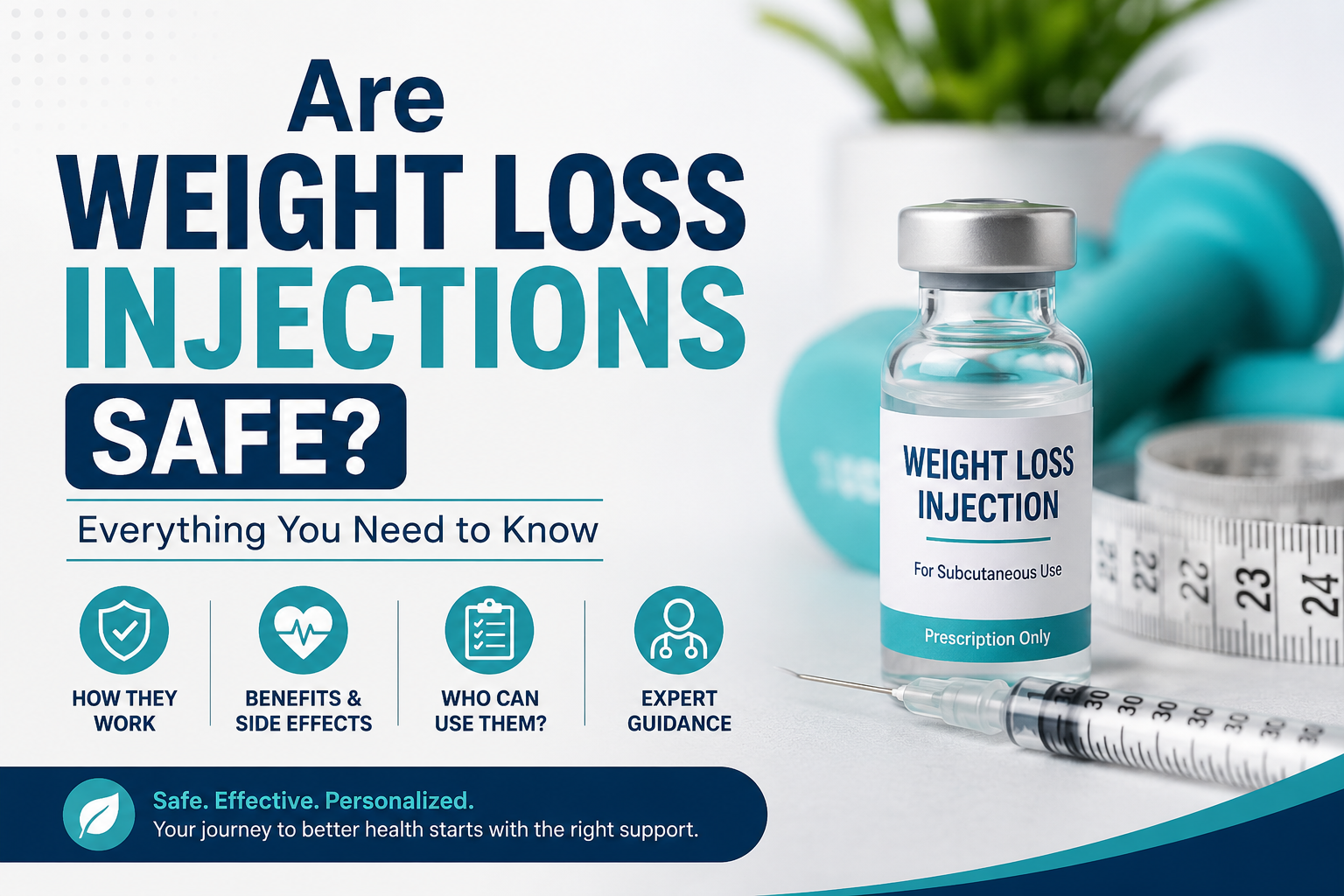
Weight loss injections are prescription medications that help support weight reduction by regulating appetite, slowing stomach emptying, and improving feelings of fullness. These medications are typically recommended for individuals who meet specific medical criteria and should only be used under the supervision of a qualified healthcare provider.
Unlike over-the-counter supplements or fad weight-loss products, prescription injections are supported by clinical research and are prescribed after a thorough medical evaluation.
They are one component of a personalized weight loss treatment plan rather than a replacement for healthy eating and regular physical activity.
Who Can Benefit from Weight Loss Injections?
Not everyone is a suitable candidate for weight loss injections. Healthcare professionals usually recommend them for individuals who:
Have obesity or excess body weight
Have a Body Mass Index (BMI) that meets medical guidelines
Have weight-related health conditions such as type 2 diabetes, high blood pressure, or sleep apnea
Have struggled to lose weight through lifestyle changes alone
Require additional medical support for long-term weight management
Before prescribing any medication, doctors assess your overall health, medical history, current medications, and treatment goals to determine the safest and most appropriate option.
How Weight Loss Injections Work
Depending on the medication prescribed, weight loss injections may help by:
Reducing appetite
Increasing feelings of fullness
Slowing digestion
Helping control food cravings
Supporting healthier eating habits
Improving blood sugar regulation in some individuals
Because they help reduce calorie intake naturally, these medications can complement healthy nutrition and exercise plans as part of a medically supervised weight loss treatment program.
Why Medical Supervision Is Essential
While weight loss injections can be highly effective for eligible patients, they should never be used without professional medical guidance.
A healthcare provider will:
Determine whether the treatment is appropriate for you
Monitor your progress regularly
Assess any side effects
Adjust treatment if necessary
Ensure the medication is part of a comprehensive weight management program
Medical supervision also helps patients develop healthier habits that support long-term success after treatment.
Weight Loss Injections Are Only Part of the Journey
Many people mistakenly believe injections alone will solve their weight challenges. In reality, successful weight management requires a combination of medical care and lifestyle improvements.
Most comprehensive weight loss services include:
Personalized Nutrition Plans
Balanced meal plans help ensure your body receives the nutrients it needs while supporting healthy weight loss.
Physical Activity Guidance
Exercise recommendations are tailored to your fitness level, medical condition, and personal goals.
Behavioral Coaching
Experts help patients improve eating habits, emotional eating patterns, stress management, and overall lifestyle choices.
Regular Medical Monitoring
Routine consultations allow healthcare professionals to evaluate progress and make necessary adjustments throughout your weight loss treatment.
Benefits of Comprehensive Weight Loss Services
Choosing professional weight loss services provides several advantages over self-guided weight-loss attempts.
These include:
Personalized treatment plans
Doctor supervision
Evidence-based therapies
Safe use of prescription medications
Ongoing progress monitoring
Nutrition and lifestyle guidance
Long-term maintenance support
This integrated approach increases the likelihood of achieving sustainable results while improving overall health.
What to Expect During Treatment
If your doctor recommends weight loss injections, your treatment typically begins with a comprehensive health assessment.
This may include:
Medical consultation
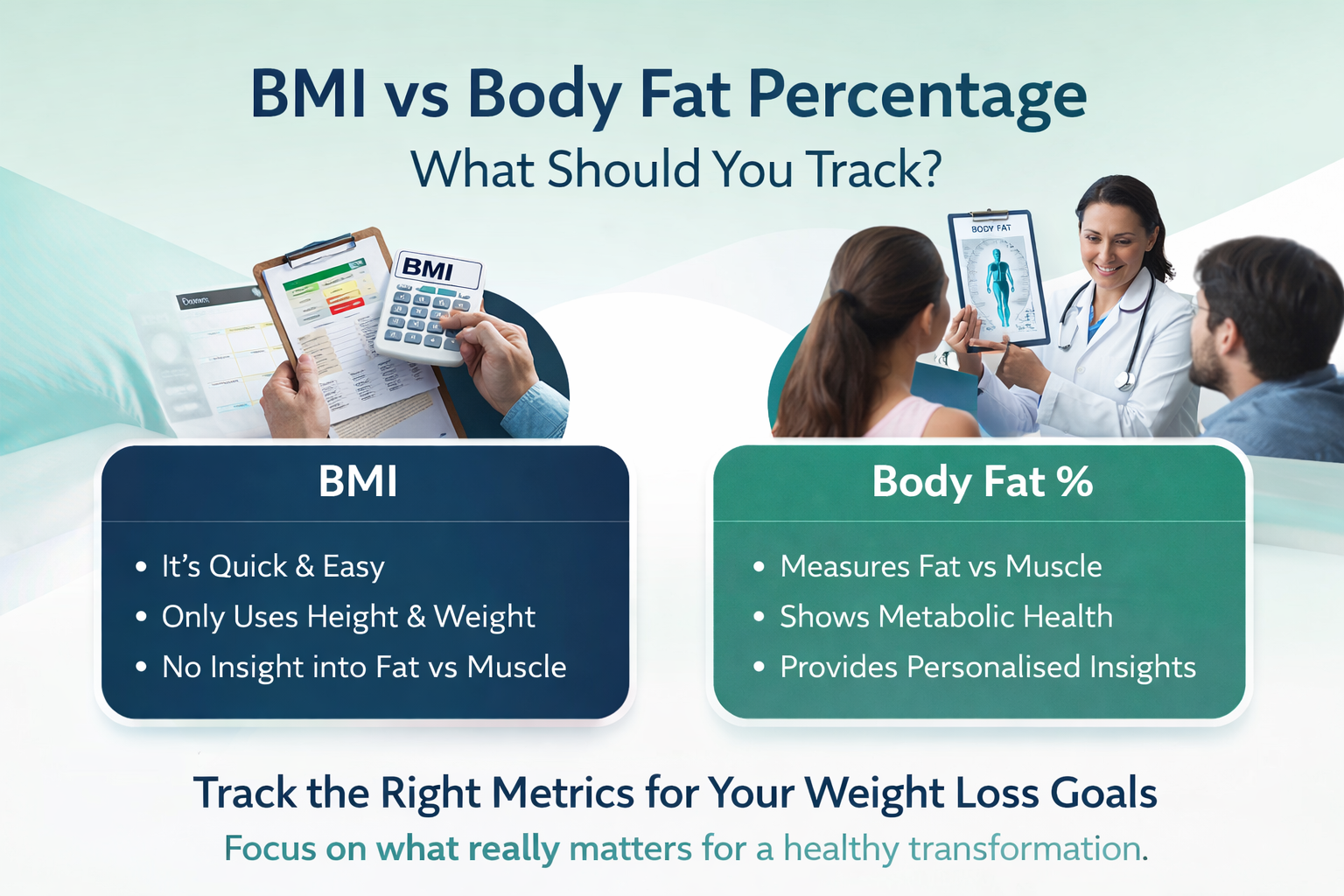
Body composition analysis
Blood investigations (if required)
Review of your health history
Lifestyle assessment
Goal setting
Once treatment begins, regular follow-up appointments help monitor progress, evaluate effectiveness, and address any concerns.
Your healthcare provider may also modify your nutrition or exercise plan to maximize your results.
Healthy Habits Remain the Foundation
Even with prescription medication, long-term success depends on maintaining healthy daily habits.
A successful weight management program includes:
Eating balanced meals
Staying physically active
Drinking enough water
Getting quality sleep
Managing stress
Attending regular follow-up appointments
When combined with medically supervised weight loss treatment, these habits help patients maintain their progress and reduce the risk of regaining weight.
Choosing the Right Weight Loss Services
Before starting treatment, choose a clinic that offers:
Doctor-supervised care
Personalized treatment plans
Comprehensive health assessments
Evidence-based therapies
Nutrition counseling
Lifestyle coaching
Ongoing monitoring
Long-term weight maintenance programs
A reputable provider will recommend weight loss injections only when medically appropriate and will integrate them into a complete treatment strategy rather than relying on medication alone.
Final Thoughts
For eligible individuals, weight loss injections can be an effective tool within a medically supervised weight loss treatment program. However, lasting success comes from combining medication with healthy nutrition, regular physical activity, behavioral changes, and ongoing professional support.
Comprehensive weight loss services focus on the bigger picture—not just helping patients lose weight but also improving overall health, preventing future weight regain, and supporting lifelong weight management. By working with qualified healthcare professionals, you can follow a safe, personalized approach that delivers sustainable results and helps you achieve your long-term wellness goals.


Write a comment ...