
Losing weight can be challenging, especially when diet and exercise alone do not deliver the desired results. In recent years, weight loss injections have gained significant attention as an effective option for people struggling with obesity or excess weight. While these treatments can support weight reduction, many people wonder: Are weight loss injections safe?
This guide explores how weight loss injections work, their benefits, potential risks, and what you should know before considering them as part of your weight loss treatment plan.
What Are Weight Loss Injections?
Weight loss injections are prescription medications designed to help individuals lose weight by regulating appetite, controlling blood sugar levels, and promoting a feeling of fullness. These injections are often recommended for people with obesity or those who have weight-related health conditions such as high blood pressure, diabetes, or sleep apnea.
Unlike quick-fix solutions, weight loss injections are usually part of a comprehensive weight management program that includes healthy eating habits, regular physical activity, and lifestyle modifications.
How Do Weight Loss Injections Work?
Most weight loss injections work by mimicking natural hormones in the body that regulate hunger and digestion. They help slow stomach emptying, reduce food cravings, and increase satiety, making it easier to consume fewer calories throughout the day.
As a result, individuals may experience:
Reduced appetite
Better portion control
Fewer cravings for unhealthy foods
Gradual and sustainable weight loss
When combined with professional guidance and healthy lifestyle changes, these treatments can significantly improve long-term weight management outcomes.
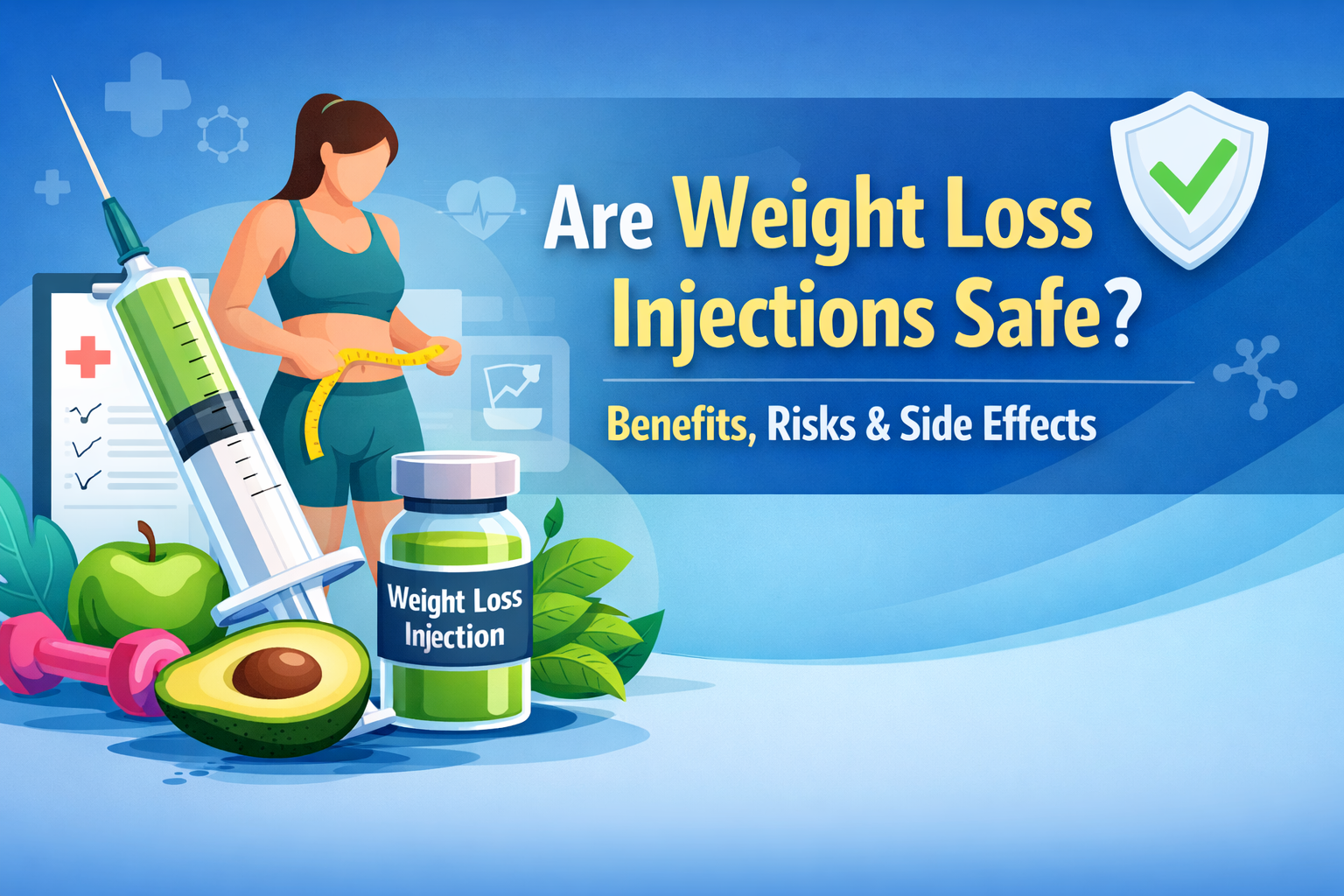
Are Weight Loss Injections Safe?
For most eligible patients, weight loss injections are considered safe when prescribed and monitored by qualified healthcare professionals. Regulatory authorities approve these medications only after extensive clinical testing to evaluate their safety and effectiveness.
However, safety depends on several factors, including:
Medical history
Existing health conditions
Current medications
Proper dosage and usage
Regular medical supervision
This is why it is essential to seek professional weight loss services rather than purchasing or using injections without medical guidance.
Benefits of Weight Loss Injections
Many people choose weight loss injections because they offer several potential advantages beyond reducing body weight.
1. Effective Weight Reduction
Clinical studies have shown that weight loss injections can help individuals lose a significant percentage of their body weight when combined with healthy lifestyle changes.
2. Improved Health Markers
Successful weight loss may contribute to improvements in:
Blood sugar levels
Cholesterol levels
Blood pressure
Heart health
3. Better Appetite Control
Many patients find it easier to follow a balanced diet because the injections help reduce hunger and food cravings.
4. Support for Long-Term Weight Management
Weight loss injections can be a valuable tool for individuals who have struggled with repeated weight gain and failed dieting attempts.
Possible Side Effects
Like any medical treatment, weight loss injections can cause side effects. Most side effects are mild and tend to improve as the body adjusts to the medication.
Common side effects may include:
Nausea
Vomiting
Diarrhea
Constipation
Stomach discomfort
Headache
In rare cases, more serious side effects can occur. This is why ongoing monitoring by healthcare professionals is an important part of any weight loss treatment program.
If you experience severe symptoms or unusual reactions, you should contact your healthcare provider immediately.
Who Should Consider Weight Loss Injections?
Weight loss injections may be suitable for adults who:
Have obesity or excess body weight
Have weight-related medical conditions
Have not achieved sufficient results through diet and exercise alone
Are committed to making long-term lifestyle changes
A medical evaluation is necessary to determine whether this treatment is appropriate for your specific health needs.
Who Should Avoid Weight Loss Injections?
Weight loss injections may not be recommended for everyone. Certain individuals, including those with specific medical conditions or allergies, may require alternative treatment approaches.
A healthcare professional can assess your health history and recommend the safest option for your situation.
The Importance of Professional Weight Loss Services
One of the most important factors in achieving successful results is choosing reputable weight loss services. Professional clinics provide personalized treatment plans, medical supervision, nutritional counseling, and ongoing support throughout your journey.
Rather than relying solely on medication, comprehensive weight management programs focus on creating sustainable habits that help maintain results over the long term.
Final Thoughts
So, are weight loss injections safe? For many individuals, the answer is yes—when prescribed and monitored by qualified healthcare professionals. These treatments can be an effective part of a broader weight loss treatment strategy, helping patients manage appetite, lose weight, and improve overall health.
However, weight loss injections are not a magic solution. The best outcomes occur when they are combined with healthy eating, regular exercise, and professional weight management support. Before starting any treatment, consult an experienced healthcare provider to determine whether weight loss injections are the right choice for your goals and medical needs.
With the right guidance and comprehensive weight loss services, achieving sustainable weight loss and better health can become a realistic and attainable goal.


Write a comment ...