
In recent years, weight loss injections have gained significant popularity as a modern solution for individuals struggling with obesity and stubborn fat. As more people explore advanced weight loss treatment options, these injections are often promoted as a quick and effective way to support weight management. But the big question remains—are weight loss injections safe?
In this blog, we’ll break down the benefits, risks, and side effects to help you make an informed decision.
What Are Weight Loss Injections?
Weight loss injections are medically prescribed treatments designed to help regulate appetite, improve metabolism, or reduce fat absorption in the body. These injections are typically part of professional weight loss services and are administered under medical supervision.
They work by targeting hormones that control hunger and fullness, helping individuals eat less and feel satisfied for longer periods. However, they are not magic solutions and are usually combined with diet and lifestyle changes for effective results.
Benefits of Weight Loss Injections
1. Effective Appetite Control
One of the key advantages of weight loss injections is their ability to suppress appetite. This makes it easier to follow a calorie-controlled diet, which is essential for long-term weight management.
2. Supports Faster Results
Compared to traditional methods, these injections may deliver quicker results when used as part of a structured weight loss treatment plan.
3. Improves Metabolic Health
Some injections help regulate blood sugar levels and improve insulin sensitivity, which can be beneficial for individuals dealing with obesity-related health issues.
4. Professional Guidance
When taken through certified weight loss services, patients receive medical supervision, ensuring safer usage and personalized plans.
Risks of Weight Loss Injections
While weight loss injections can be effective, they are not without risks. It’s important to understand the potential concerns before starting any weight loss treatment.
1. Not Suitable for Everyone
These injections may not be recommended for pregnant women, individuals with certain medical conditions, or those with a history of specific health issues.
2. Dependency Concerns
Some individuals may become reliant on injections instead of adopting sustainable lifestyle habits for weight management.
3. Cost Factor
Professional weight loss services involving injections can be expensive, especially if required over a long period.
Common Side Effects
Like any medical treatment, weight loss injections can cause side effects. While not everyone experiences them, some common ones include:
Nausea and vomiting
Diarrhea or constipation
Headaches
Fatigue
Mild injection site reactions
In rare cases, more serious side effects can occur, which is why medical supervision is essential during any weight loss treatment.
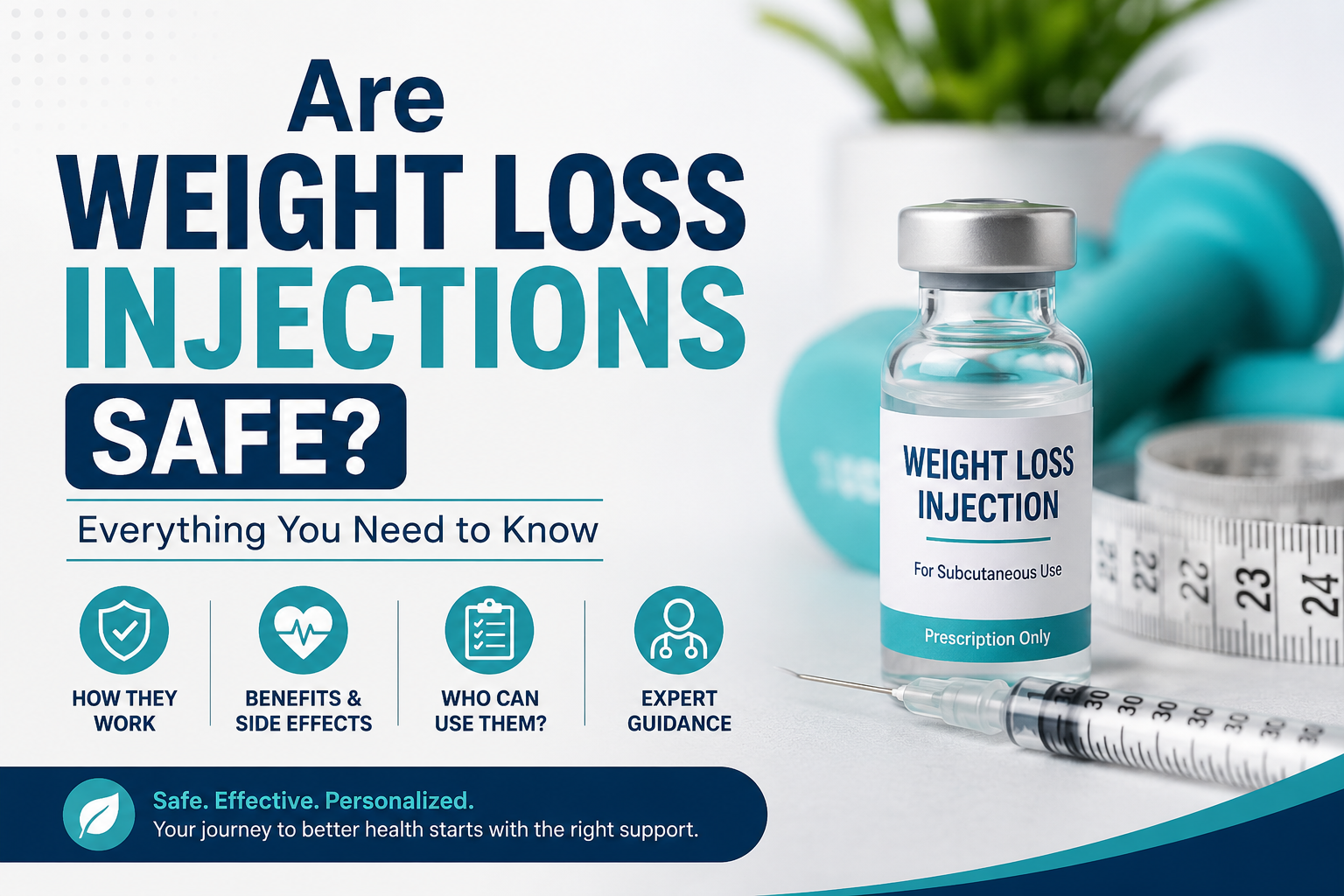
Are Weight Loss Injections Safe?
The safety of weight loss injections largely depends on how they are used. When prescribed by qualified professionals and taken under proper medical supervision, they are generally considered safe for many individuals.
However, they should not replace healthy eating, exercise, and long-term weight management strategies. The safest approach is to treat them as a supportive tool rather than a standalone solution.
Who Should Consider Them?
Weight loss injections may be suitable for:
Individuals with obesity or a high BMI
Those who have not seen results with traditional weight loss treatment methods
People seeking medically guided weight loss services
However, a proper consultation is necessary to determine eligibility and avoid complications.
Final Thoughts
Weight loss injections can be an effective addition to modern weight loss treatment plans, offering benefits like appetite control and improved metabolism. However, they are not a one-size-fits-all solution.
Understanding the risks, side effects, and the importance of professional weight loss services is crucial before starting. For long-term success, combining injections with healthy lifestyle changes remains the best approach to sustainable weight management.


Write a comment ...